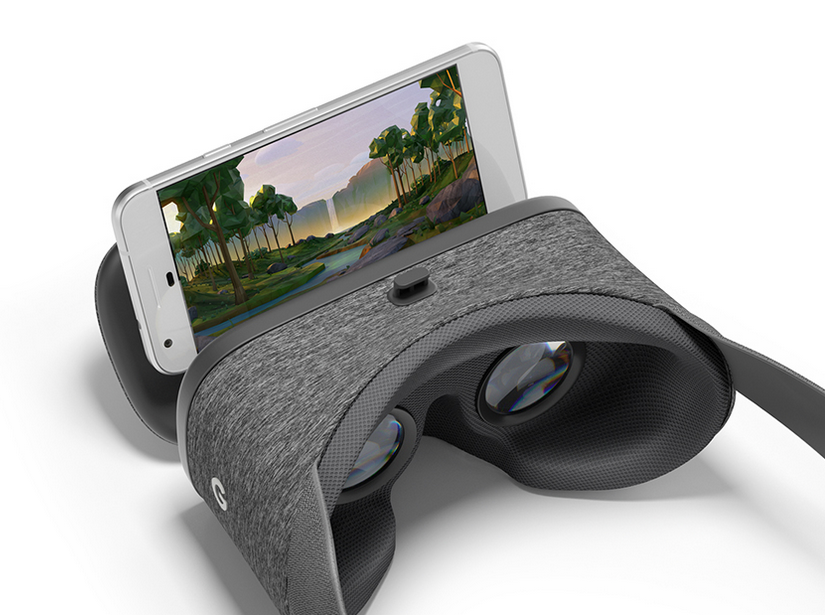
Last month I had the opportunity to attend an event at Facebook Headquarters called Oculus Launch Pad. This event was intended to promote diversity in the field of VR, and it met those intentions quite well. The program hosted 100 people for a day-long boot camp as a deep dive into developing games, apps, and film for virtual reality. I, along with 99 others who all came from diverse backgrounds and varying ages, genders, races, ethnicities, orientations, etc, spent a fantastic day learning about the technical side of putting a game on the GearVR, tips and tricks for designing "comfortable" VR content, how to keep a project on track and finish on time, and the importance of story and immersion in the VR world. The day concluded with a Q&A with Palmer Lucky and a networking mixer for all of the participants to get to know each other and learn about everyone's interests and projects.
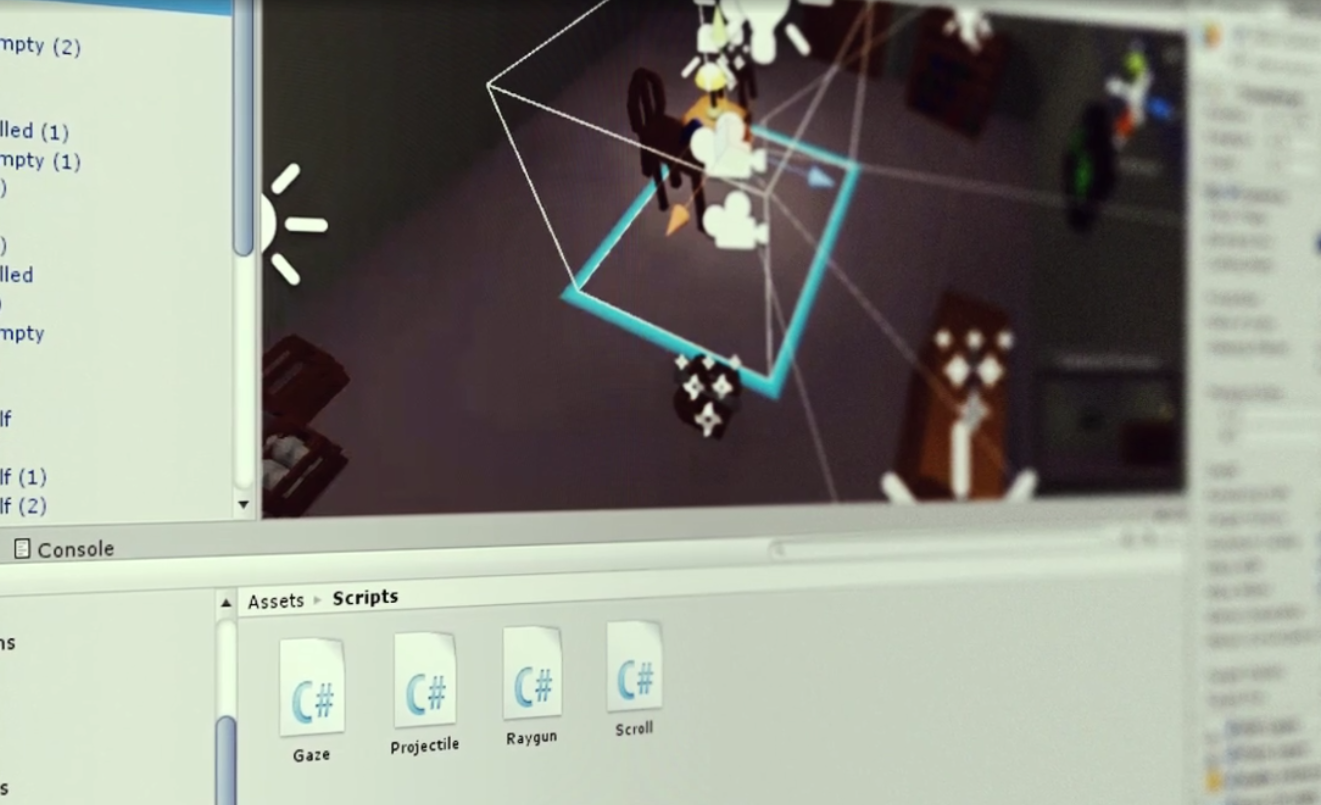
On the technical side, it was great to have an opportunity to go through the process of getting an application from Unity onto the GearVR. I'm outlining the process here for anyone else who may be interested in making something for GearVR:
1. Get the latest version of Unity, and during the initial download be sure to check the box for "Android" from the list of development platforms (if you already downloaded Unity and don't have the Android package you will need to go back to the Unity downloader to get it).
2. Visit the Oculus developer website and download the Oculus SDK and Oculus Unity Utilities, and import the Oculus Unity Utilities package to your Unity project
3. Download and install the Android SDK. It will launch a download manager where you can select different versions. you can download as many versions as you like, but you will at least need API level 19. When you select download, you will need to agree to the terms and whatnot, but it is not super clear from the prompt you need to select "agree" for each of the download items in your selected list, so if you have two items selected you will need to scroll to the bottom to "agree" for the second one.
4. Create an OSIG for your device. This one is a little complicated, here are the details
- Put your Android Galaxy device into debug mode (go to settings > device and tap the build number a bunch of times)
- On your Android device go to Developer Settings and check the box for "USB Debugging" then plug it in to your computer
- Open Command Prompt (or Terminal on a Mac)
- d. Navigate to the Android SDK Tools folder (use 'cd' to change directories, 'cd ..' takes you up a directory, 'cd Directory_Name' takes you down into specified directory)
- Use the command 'adb devices' and it will give you a list of IDs for connected devices (you will probably only have one) - if you have trouble with this step you may need to update the drivers on your computer
- Copy your device ID, then go to developer.oculus.com/osig and enter the ID
- Download the osig file generated by the Oculus website and copy it into the following directory inside your Unity project - Assets/pluggins/Android/assets
- Note that you will need a separate OSIG file for each device you want to test on; you can have as many OSIG files in the assets directory as needed
5. In Unity go to File > Build Settings. Be sure to add the scene you want to build to the list of scenes.
6. Select 'Android' from the list of platforms, then click "Player Settings" at the bottom. You can also hit "Build" right now to check if your SDK is setup properly, it will let you know if it cannot find the Android SDK (it may also prompt you to download the latest JDK which are also needed to run the Android SDK).
7. In the player settings panel which should have opened on the right side of the screen, scroll down to other settings and check the box "Enable VR", then scroll down to "Other Settings" and fill in the bundle identifier (you can use whatever company and product name you want but you need the company and product name at the top to match).
8. Sign your application - under "Publish Settings" check the box for "create new keystore" then click browse and name your keystore file, then give it a password (be sure to remember this password). Then set an alias and password for this keystore (it can be the same password or a different one).
9. Be sure your Android device is still plugged in and the screen is on, then hit "Build and Run" and the game will automatically deploy to the phone.
10. Unplug the phone from the computer. It should prompt you to put it in the GearVR, but if it does not then find your newly made build (it probably has the Unity logo right now) and run it, then when it prompts you put it in the GearVR.
I hope this is helpful to anyone trying to get started in GearVR development. Feel free to respond with questions if you have any trouble with these steps :)